Sustainable Landscaping Practices for a Greener Tomorrow Apr 22, 2026
One of the foundational principles of sustainable landscaping is water conservation. Traditional landscaping methods are often water-intensive, especially in areas where water is a precious commodity. By implementing strategies like xeriscaping, you can significantly reduce water usage. Xeriscaping involves selecting drought-tolerant plants and utilizing efficient irrigation systems such as drip irrigation. Native plants are particularly recommended as they are adapted to local climate conditions and require minimal watering once established. Consider incorporating rain barrels into your landscape design to harvest rainwater for irrigation purposes, further minimizing reliance on municipal water supplies.
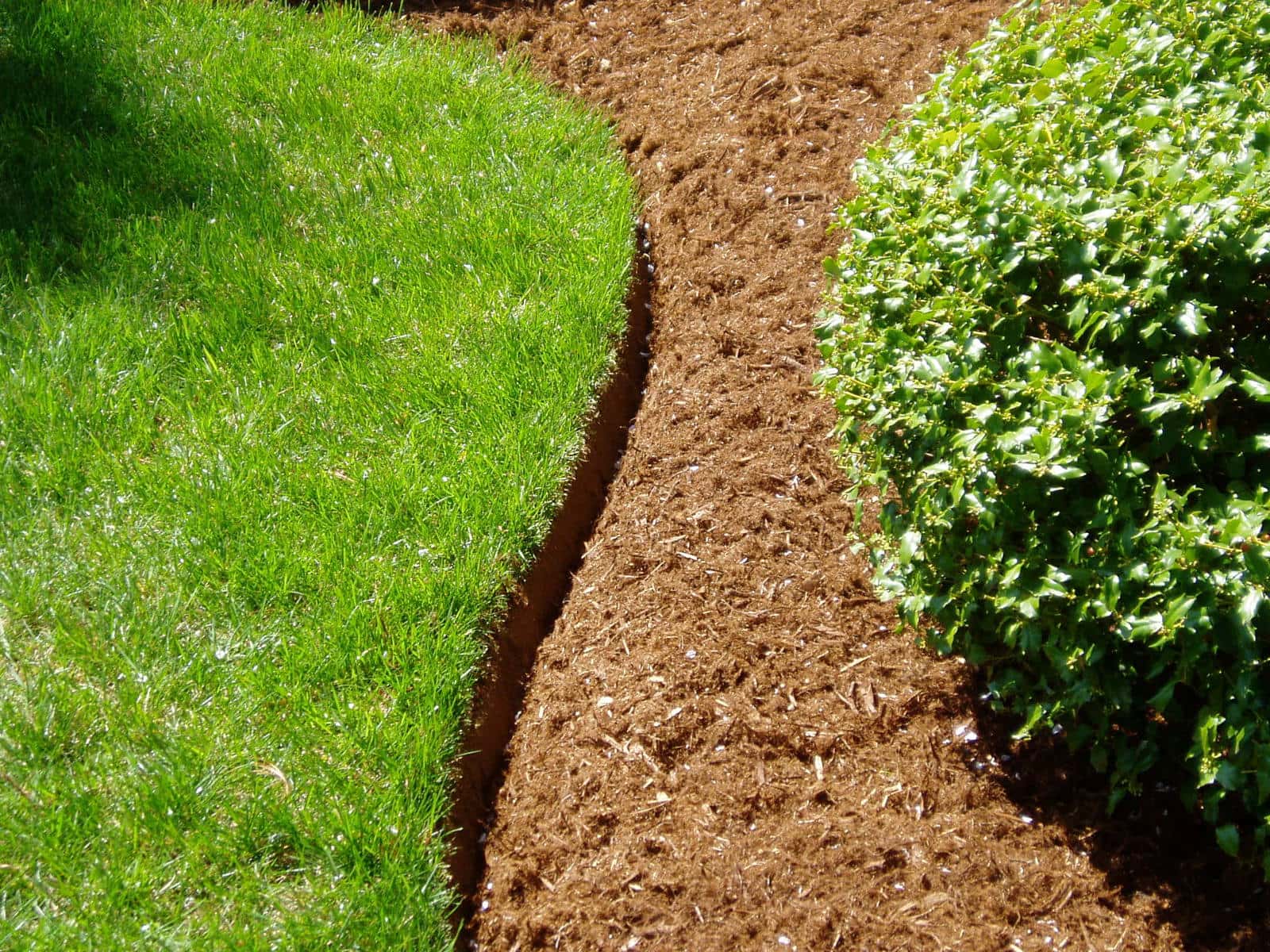
In addition to conserving water, promoting healthy soil is an essential component of sustainable landscaping. Healthy soil enhances plant growth and reduces the need for chemical fertilizers, which can leach into groundwater and harm the environment. Composting is an excellent way to improve soil health. By recycling organic waste from your kitchen and garden, you can create a rich, natural fertilizer that nourishes your plants. Mulching is another practice that offers multiple benefits: it retains soil moisture, suppresses weeds, and adds organic matter to the soil as it breaks down.
Biodiversity is key to a resilient and self-sustaining landscape. Encourage a diverse range of plants, including flowers, shrubs, and trees, to attract beneficial wildlife such as pollinators and birds. These creatures play vital roles in maintaining ecological balance by pollinating plants and controlling pest populations. To support biodiversity, create a wildlife-friendly garden by incorporating bird feeders, bee hotels, and native plant species that provide nectar and habitat.
Sustainable landscaping is not solely about the plants. Hardscaping elements such as patios, walkways, and retaining walls can also be eco-friendly. When selecting materials for your hardscaping features, opt for sustainable materials like recycled concrete or permeable pavers. These solutions help reduce runoff and water pollution by allowing rainwater to seep into the ground. Additionally, using local materials can lower transportation emissions and support local economies.
Energy efficiency is another crucial aspect to consider. Strategically placed trees and shrubs can provide natural cooling by casting shade over your home and outdoor living areas, reducing the need for air conditioning during hot months. Similarly, evergreen plants can act as windbreaks, minimizing heat loss during the winter. Consider harnessing solar energy by installing solar lights along your landscape pathways, contributing to both energy conservation and aesthetic appeal.
In conclusion, embracing sustainable landscaping practices can lead to a greener and more eco-conscious future. By prioritizing water conservation, soil health, biodiversity, and energy efficiency, you not only enhance the beauty of your outdoor space but also fulfill your responsibility towards environmental stewardship. At Mejia Maintenance, we are committed to helping you create landscapes that are not only beautiful but also sustainable and in harmony with nature. Whether you're looking to revamp your garden or implement new eco-friendly practices, our expertise in sustainable landscaping will guide you towards making choices that benefit both your home and the planet.
/filters:no_upscale()/filters:format(webp)/media/e92e938d-25f3-42f9-a809-c4d9f6c5a7dc.jpeg)